
Making the invisible half
of the economy visible.
The gap between what communities contribute and what the economy can see is the widest it has ever been. Every community has people with capacity to help — skills, time, experience, willingness — and none of it shows up in any ledger. The NIEA builds the infrastructure to close that gap.
"Every citizen's contribution should be visible, earnable, and economically recognized." — That is what we are building toward.
Only one was ever given the
instruments to be seen.
The transactional economy has been measured for centuries. The contributive economy has never had infrastructure. That is the gap The NIEA exists to close.
Eight steps. From identifying the gap
to informing decisions.
This is the infrastructure The NIEA builds, end to end, from the moment a contribution is identified to the moment it becomes usable economic intelligence.
See it in your city.
Each city portal pulls public data layers together into a single economic health view. We are honest about what it can surface — and what it cannot yet. The founding cohort of economic development directors decides where we build next.
"Economic participation is the right of every citizen — not a privilege distributed by proximity to capital."
The NIEA builds the measurement infrastructure communities need — and that none currently has. The kind of infrastructure that, at its best, works the way essential public systems work at their best: without regard for who you know, where you started, or whether your work has ever been transacted.
City portals are the first public output of that infrastructure. They show what public data can surface and are honest about what it cannot. The contribution layer (the fourth and most important layer) is what The NIEA is built to fill.
Visibility unlocks investment. Investment unlocks growth. Growth unlocks participation. Participation closes the gap.
Two systems. One economy.
One has always been invisible.
The formal economy captures transactions. The NIEA builds the infrastructure for the half it has always missed: economic contribution that has no transaction and no record — yet produces real value for every community it moves through.
Learn MoreHow we verify contributors.
The NIEA marketplace requires trust in both directions. Businesses need to know contributors are real and capable. Contributors need to know opportunities are legitimate. Three tiers build that trust progressively, starting with email verification and extending to government ID and Stripe Identity for those taking on paid tasks.
Start earning in under 5 minutes.
Download The NIEA App, create your account, complete identity verification, and get your unique NIEA ID. Then start documenting your contributions and building your verified Capability Key.
Contact NIEA.
Questions about the platform, ED Portal access, or working with The NIEA.
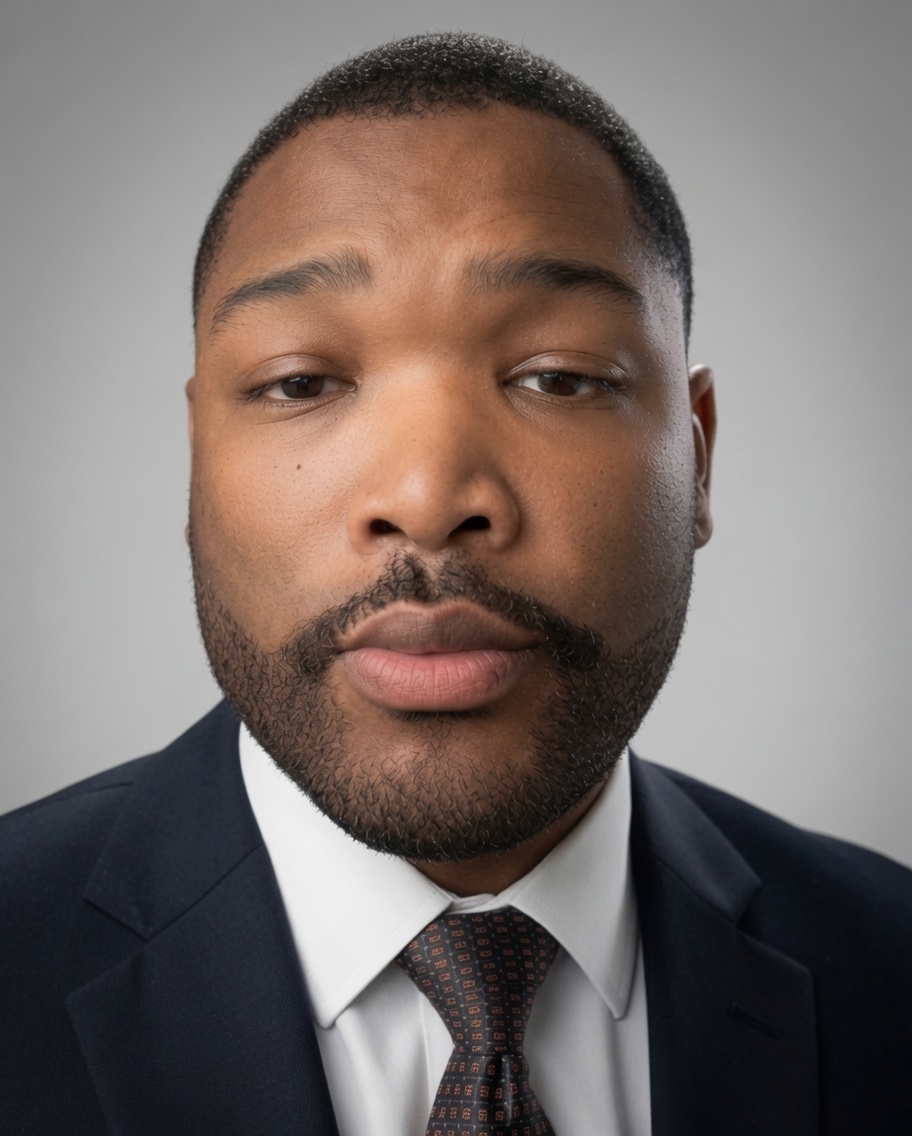
Khoury is the founder of The National Information Exchange Agency and the principal architect of its economic infrastructure: contribution networks, verification engines, and value exchange protocols that make verifiable economic participation possible across communities and organizations.
The NIEA is his answer to a question the economy has never asked: what would it look like if every citizen's capacity to contribute were measurable, earnable, and economically recognized? His work sits at the intersection of economic policy, community development, and the infrastructure question the age of automation has left open.
NIEA Resource Library.
Policy briefs, research papers, platform documentation, and public reports from The National Information Exchange Agency.